After three decades in Bali, people come to me for advice all the time. The most valuable tip I can give you is to pack a sense of humour. Bali can get under your skin — it’s unpredictable, crazy, and incredibly rewarding if you speak to it nicely. But how long do you really need to stay to really enjoy Bali? Based on our experience, we have some recommendations for you.
By Sarah Dougherty
This post contains affiliate links, but all recommendations are ours. If you book through them, we may earn a small commission at no extra cost to you — it’s how we keep the lights on and the sarongs stocked.
Bali is one of those places people think they can “do” in a few days. Bless.
On a map, it looks small. In real life, Bali has traffic, ceremonies, winding village roads, beach clubs that accidentally turn into six-hour lunches, and that strange holiday time warp where one massage somehow takes half a day.
So, how long should you stay in Bali?
The annoying but true answer is: it depends. The helpful answer is: it depends on what kind of holiday you want.
Are you coming for beaches and cocktails? Temples and rice fields? Family time? Food? Surf? Wellness? A full personality reset involving linen, coconuts, and saying “I could live here” by day three?
Let’s break it down.
Quick Answer: How Many Days Do You Need?
Best For : A reset, not a tour
How Many Areas: One area only
Best For : Beach plus a taste of culture
How Many Areas: Two areas
Best For : The sweet spot for most trips
How Many Areas: Two areas
Best For : Slow travel, getting under Bali's skin
How Many Areas: Two to three areas
Jump to: Choose Your Bali · The Golden Rule · Packing · Insider Tips · FAQ
A quick key for the hotel picks below: $ = budget-friendly,
$$ $ =mid-range,
$ $ $ = luxury and top-end. Prices shift seasonally, so treat these as relative guides rather than fixed numbers.
First Things First: Choose Your Bali
There is no single Bali holiday. There are several, and they all wear different sandals.
The Beach Lovers’ Bali — You want a pool, a beach, a massage, a book you may or may not read, and someone bringing you iced drinks. Excellent choice. Best areas: Sanur, Nusa Dua, Seminyak, Jimbaran. What to pack: swimsuits, sunglasses, a sarong, something floaty, and absolutely no guilt.
The Culture Curious Bali — You want temples, rice fields, art, markets, local food, and maybe a spiritual moment that doesn’t involve overpaying for a crystal. Best areas: Ubud, Sidemen, East Bali. What to pack: temple-appropriate clothing, comfortable shoes, and patience for scenic drives that are worth every minute.
The Foodie Bali — You are here to eat. Breakfast, maybe, followed by coffee, which may be followed by lunch, which may require a strategic nap before dinner. Best areas: Seminyak, Canggu, Ubud, Sanur or Uluwatu — though there are so many good restaurants across Bali that you may simply need to come back. What to pack: one smart outfit, stretchy waistbands, and a genuine willingness to eat at warungs as well as the shiny places. The warungs usually win.
The Bali Family Holiday — You want enough adventure to tire everyone out, but not so much that someone has a small airport-floor meltdown. Best areas: Sanur, Nusa Dua — or Legian and Kuta if the kids are younger and a water park beats a rice terrace. Waterbom, flat swimmable beaches, and family resorts make this stretch of coast an easy, low-drama base. What to pack: swimsuits, snacks, hats, sunscreen, patience, and whatever toy cannot be left behind without ruining everyone’s life.
The Adventure Bali — You want waterfalls, volcano hikes, surf, snorkelling, diving, cliff roads, and possibly a story that begins with “it seemed like a good idea at the time.” Best areas: Uluwatu, Amed, Munduk, Nusa Lembongan, Nusa Penida. What to pack: proper shoes, a dry bag, a rash vest, and travel insurance. Glamorous? No. Sensible? Very.
The Wellness Bali — You want yoga, massages, bodywork, juices, early nights, and perhaps to return home with the serene expression of someone who has finally processed their inbox trauma. Best areas: Ubud, Canggu, Uluwatu, Sidemen. What to pack: activewear, loose clothes, a journal you may write in once, and a reusable water bottle.
The Golden Rule: Stay Longer in Fewer Places
This is the one piece of advice I give everyone, and the one most people ignore until they’ve learned it the hard way.
Bali looks easy to hop around. It is not always easy to hop around.
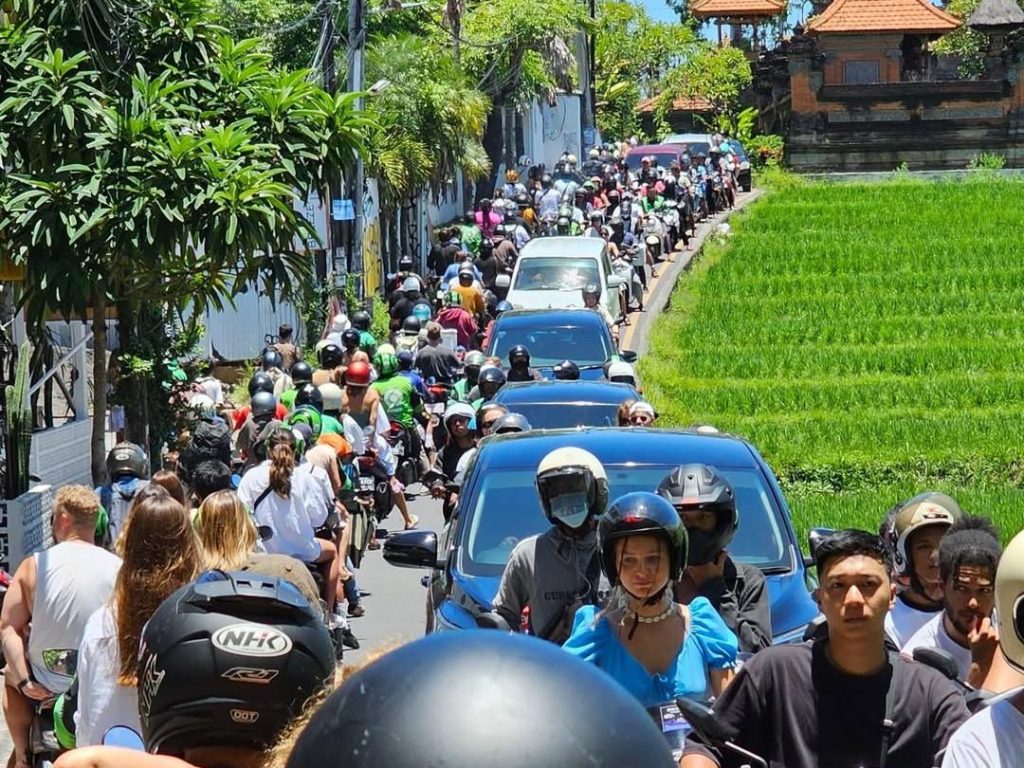
A 30-kilometre drive can take much longer than you expect — add traffic, roadworks, rain, a ceremony that has closed the main road, and a driver who says “maybe one hour” with the optimism of a man who has genuinely seen things.
So instead of trying to see everywhere, choose your bases wisely:
- 3 days: one area, full stop
- 5 days: two areas maximum, and keep the second one within about two hours
- 7 days: two areas is still the sweet spot
- 10 days or more: now you can get creative
Your holiday will feel much better if you spend less time repacking your toiletries and more time actually being in Bali.
3 Days in Bali: Short, Sweet, and Mostly Horizontal
Three days is enough for a reset. It is not enough for a grand tour, and anyone who tells you otherwise is selling something.
Pick a base and stay there.
Sanur is ideal for a short trip — gentle mornings, easy beach walks, calm water, and a pace that doesn’t demand anything from you. Seminyak works well if you want restaurants, boutiques, beach clubs, and sunset drinks served by someone much more stylish than you. Legian and Kuta are the closest bases to the airport, which sounds unromantic until you realise it hands you back most of an afternoon at each end of a three-day trip. Nusa Dua is for proper resort time: manicured beaches, spas, and pretending your biggest decision is whether to order lunch before or after your swim.
A good 3-day plan:
- Day 1: Arrive, check in, swim, eat, collapse beautifully.
- Day 2: Do one thing. One. A temple, a long lunch, a spa afternoon, a beach club. Not all of them. You are not being graded.
- Day 3: Swim, wander, buy something you don’t need, leave slightly more relaxed than you arrived.
Pack your swimsuit near the top of your bag. Bali has a habit of making you want to jump into water the moment you arrive.
Where to Stay: 3 Days
Sanur — Griya Santrian ($$) — Family-run since the 1970s, on the same beachfront it started on, which in Bali counts as a reference. Rooms sit low among gardens rather than stacked in a tower, and the beach path runs along the front for the morning walk you will absolutely do on day one and probably not on day three. Sanur’s rhythm without resort pricing. Book here
Kuta — Un’s Hotel ($) — A courtyard hotel a few streets back from the sand, quiet in a way Kuta is not supposed to be, and proof that a short trip needn’t be an expensive one. Two-storey, garden-wrapped, walkable to the beach and to dinner. Best for travellers who want their budget going on food and massages rather than a marble lobby. Book here
Legian — Mamaka by Ovolo ($$) — Kuta may not be where you pictured yourself, and Mamaka may change your mind about that. Beachfront, rooftop pool over the sand, surf culture taken seriously and everything else taken lightly. The short airport run is the real argument on a three-day trip. Book here
Seminyak — Hotel Indigo Bali Seminyak Beach ($$) — Beach on one side, some of Bali’s best restaurants within walking distance on the other, and enough design personality to keep it interesting without tipping into self-regard. Long breakfasts are the correct way to use this hotel. Book here
Nusa Dua — Sofitel Bali Nusa Dua Beach Resort ($$$) — For when slowing down is the entire point. A proper stretch of beach, gardens with space to disappear into, and the sort of lagoon pool that quietly cancels your plans. Good for couples, families, and anyone overdue an escape. Book here
Three days is short enough that a villa earns its keep for an unexpected reason: it stops you wasting any of it. A private pool you can fall into between naps does more for a trip this length than another sight ticked off a list.
5 Days in Bali: Beach Plus a Bit of Magic
Five days lets you have two versions of Bali, which is exactly what a first trip deserves.
Start somewhere easy by the beach. Seminyak, Legian, Sanur, or Jimbaran are all solid choices. Give yourself a day or two to settle in, sleep properly, eat well, and remember what your shoulders feel like when they’re not attached to a laptop.
Then move once.
Head to Ubud for rice fields, restaurants, temples, and jungle views. Choose Sidemen if you want something quieter and more genuinely local — fewer tourists, better views, and the kind of mornings that make you question everything about your regular life. Or hop across to Nusa Lembongan for salty hair, scooters, seafood, and island time at its most uncomplicated.
Amed and Munduk are wonderful and I will push both of them at you later. At five days they are a three-hour drive you don’t have room for. Save them.
The key is contrast. A little beach, a little culture, a little “oh, this is why people love Bali.”
Don’t overstuff the itinerary. Five days disappear quickly, especially once you factor in travel days, check-ins, and the universal Bali law that lunch can become an afternoon.
Where to Stay: 5 Days
Seminyak and Legian — Blu-Zea Resort by Double-Six ($$) — Central enough to explore Seminyak on foot, with gardens, pools and restaurants worth exploring. Beach, restaurants and shopping all within a short walk, which on a five-day trip is worth more than a bigger room further out. Book here
Jimbaran — Four Seasons Resort Bali at Jimbaran Bay ($$$) — Not a hotel so much as a hillside of individual thatched villas above the bay, each with its own plunge pool and a view that does most of the work. Expensive, and one of the few places in Bali where I’d argue the price is the point rather than a markup. Worth the splurge if you’re splurging once. Book here
Jimbaran — InterContinental Bali Resort ($$$) — Fourteen hectares of gardens running down to one of the calmest swimming beaches in the south, which is why it works as well for families as it does for couples. Big without feeling like a conference hotel, and the seafood warungs on the sand are a ten-minute stroll away. Book here
Ubud — COMO Uma Ubud ($$$) — Just outside the centre, far enough that mornings start with birds instead of scooters, close enough that dinner isn’t an expedition. Afternoons here go missing at a remarkable rate. Book here
Sidemen — Samanvaya Luxury Resort & Spa ($$) — Sidemen is the Bali most people picture before they arrive, and Samanvaya has the ridiculous infinity pool over the rice terraces to prove it. Unhurried, surrounded by valley, and about ninety minutes from Ubud if you’re pairing the two. Book here
Nusa Lembongan — Sandy Bay Beach Club & Resort ($$) — Worth the short boat ride from Sanur. Ocean views, a slower pace than the mainland manages, and sunsets that make an extra night feel like a sound financial decision. Book here
Five days is long enough to unpack properly, which is the real marker of a good villa stay. Split the nights between your beach base and somewhere quieter and you get two versions of home rather than two hotel rooms.
7 Days in Bali: The Sweet Spot
A week is a genuinely great amount of time for Bali. You can see two areas properly, enjoy a few activities, and still have room for lazy mornings, pool time, and the kind of unplanned afternoon that becomes the story you tell when you get home.
For families: Legian, Kuta, South Kuta and Sanur are the most practical bases with kids in tow. They’re built for it with a wide, flat, swimmable beach, Waterbom down the road, kids’ clubs, and restaurants that don’t mind noise. Sanur offers calm waters, bike paths, and a pace that suits children, grandparents, and adults who need a break from decision-making.
Ubud is best treated as a day trip rather than a base, especially with younger children. It’s a wonderful place to visit — rafting on the Ayung, ATV rides, rice terraces, the Monkey Forest — but the broken pavements, winding roads and slower village pace are more charming when you’re not also chasing a toddler. A week gives you plenty of scope to stay on the coast and still fit in a full day up there.
For couples: Seminyak and Uluwatu. You get food, beach life, shopping, cliffside sunsets, and just enough glamour to make your holiday photos look more expensive than the holiday actually was.
For a slower trip: Pair Ubud with Sidemen or Munduk. You’ll swap beach clubs for mountains, waterfalls, and the sound of actual silence. Remember silence? Lovely stuff. Munduk is the longer haul of the two — budget half a day for the drive and treat it as part of the holiday rather than an interruption to it.
A week gives you permission to plan some days and leave others blank. The blank ones are usually the ones you talk about later
Where to Stay: 7 Days
Legian, Kuta and South Kuta (families) — Four that consistently deliver what families actually need. Padma Hotel ($$$) in Legian has the largest garden and pool complex of the group and a kids’ club that earns its keep on a wet afternoon. Bali Mandira ($$) next door is the classic — beachfront, gardens, and a character the newer arrivals haven’t managed to buy. Sheraton Bali Kuta ($$$) sits directly above Beachwalk, so the beach is across a footbridge and the shops and cinema are downstairs, which on day five of a family holiday is worth a great deal. Bali Dynasty Resort ($$) in South Kuta is the value pick, with a dedicated children’s pool area and a slightly quieter end of the beach. [Padma Hotel, Bali Mandira, Sheraton, Bali Dynasty Resort ]
Sanur — Andaz Bali ($$$) — Built as a village of low buildings and courtyards rather than a block, right on the beachfront and walkable to Sanur’s cafés. Suits doing a great deal or nothing at all, sometimes on the same day. [Book here]
Ubud — Shelter Island ($$) — A small boutique property from the people behind Room4Dessert, that tells you exactly where priorities lie. Creative interiors, a pool that stays properly tranquil, and breakfast at the Powder Room café, where the crème brûlée doughnuts have ruined more than one person’s plan to eat sensibly on holiday. Walking distance to a good stretch of Ubud’s best eating. [Book here]
Seminyak — Double-Six Luxury Hotel Seminyak ($$$) — Beachfront without the crush, all-suite, with a rooftop that is the correct place to be at six in the evening. Long beach walks in both directions from the front door. [Book here]
Uluwatu — Grün Resort ($$) — The affordable way into the Bukit. Set in gardens with proper trees rather than landscaping, peaceful, distinctive, and a short drive from the surf breaks, beach clubs and cliff restaurants that make Uluwatu what it is. [Book here]
Uluwatu — Karma Kandara ($$$) — Clifftop villas with an inclinator down to a private white-sand beach that you cannot otherwise reach, which is the entire argument and a strong one. Sunsets here are the reason people book Uluwatu in the first place. [Book here]
Munduk — Elevate Bali ($$$) — North, high, and considerably cooler than the coast. Mountains, misty valleys, and the rare Bali hotel where you’ll set an alarm voluntarily just to watch the cloud move through the ridge below. [Book here]
By day seven a villa stops being a splurge and starts being the sensible option, particularly for families and groups. Space to spread out, a kitchen you’ll use more than you expect, and evenings that don’t require getting dressed to leave the house.
10 Days or More: The Bali That Gets Under Your Skin
With ten days or more, something shifts.
You stop rushing. You find a favourite coffee place — not the famous one everyone photographs, but your one. You learn which roads to avoid on ceremony days. You start recognising the sound of morning offerings being placed outside. You develop opinions about sambal.
This is when Bali stops being a destination and starts being a place.
It’s also when you have time to go beyond the south, which is where it gets really good.
A rough plan for 10+ days:
- Nights 1–3: Land and decompress somewhere easy — Seminyak, Sanur, Jimbaran, or Canggu.
- Nights 4–6: Head inland or north. Munduk is cool, green, and genuinely beautiful, with waterfalls, lake views, and clove plantations that smell extraordinary in the rain. Sidemen offers rice fields, volcano views, and slow mornings that make you feel like you’ve found somewhere most people haven’t bothered to look for.
- Nights 7–9: Go further afield if it suits you. Amed is peaceful and perfect for snorkelling, quieter than the south and all the better for it. Menjangan and the northwest are for the nature lovers — spacious, unhurried, and a world away from beach clubs.
- Final nights: Finish somewhere easy before your flight. Sanur is ideal — calm, walkable, close enough to the airport, and very good at making you feel like you have your life together. You probably don’t. But that’s not Sanur’s fault.
Where to Stay: 10+ Days
Canggu — Citadines Berawa Beach Bali ($$) — Berawa is the sensible end of Canggu, close to the beach clubs and cafés without living inside them. Apartment-style rooms, which after a week of hotel rooms starts to matter. [Book here]
Munduk — Munduk Cabins ($) — Cabins on a ridge, misty mountain views from bed, and highland evenings that go properly quiet by nine. Cheap, and better than it has any business being at the price. [Book here]
Amed — Salt Resort & Spa ($) — Coral reefs instead of beach clubs, and sunrise over the water rather than sunset. A good base for the east coast, and the black-sand shore keeps the crowds at the manageable end. [Book here]
Menjangan — The Menjangan ($$$) — Inside West Bali National Park, which means monkeys, deer and birdlife rather than neighbours. Remote enough that you commit to it for a few nights, with some of the best snorkelling in Bali off the island itself. [Book here]
Sidemen — Uma Agung Teras Bali Sidemen ($) — Rice fields, volcano views, and mornings that begin with birdsong rather than traffic. Simple, family-run, and priced so that staying an extra two nights barely registers. [Book here]
Sanur — The Meru ($$$) — The pre-flight wind-down. Beachfront, peaceful, and a comfortable drive from the airport, which turns departure day from a logistics exercise back into a holiday. One last good meal and out. [Book here]
At this length the villa becomes your Bali address rather than your accommodation. Take one with a kitchen for the mornings you can’t face going out, and don’t underestimate what a washing machine does for week two.
Packing for Bali: The Stuff You'll Actually Use

Bali packing is simple, but there are a few things people consistently get wrong.
Swimsuits: bring at least one, ideally two — putting on a wet swimsuit is one of travel’s small personal tragedies, and you deserve better.
A sarong: always. It works for the beach, temple visits, sun cover, chilly air-conditioning, and pretending you are the kind of person who packs thoughtfully. The Swiss Army knife of tropical packing, but prettier.
Temple cover-up: something that covers your shoulders and knees — not as an afterthought, but as a basic act of respect for the places you’re visiting.
One smart outfit: Bali is casual, yes, but it’s also full of beautiful restaurants, stylish beach clubs, and people who look irritatingly good in linen.
The basics: comfortable sandals, sunscreen (and reapply it — Bali sun is serious), insect repellent, sunglasses, a small day bag, and a rain jacket or umbrella in the wet season.
Comfortable shoes if you’re planning to do anything beyond the pool.
Leave at home: heels, heavy jeans, or your most complicated outfit. Bali is warm, humid, and occasionally muddy. Dress accordingly and save the statement pieces for somewhere with better footpaths.
Insider Tips for a Better Bali Holiday
Plan by traffic, not by distance. Two places that look close on a map can be an hour apart on a bad day. Check Google Maps at peak hours before you commit to anything.
Uluwatu at sunset? Stay for dinner and come back after the crowds. Everyone leaving at the same time isn’t a traffic jam — it’s a group lesson in regret.
Use Grab or Gojek for shorter trips. For bigger days out or longer distances, hire a driver. A good driver is worth every cent and will save you more frustration than you can imagine.
Motorbikes are fast, but only rent one if you are experienced, licensed, insured, and genuinely calm under pressure. Bali traffic is not the place to discover your inner daredevil.
Eat at warungs, but choose busy ones with good turnover. Bali belly is real, and it does not care how well-planned your itinerary is.
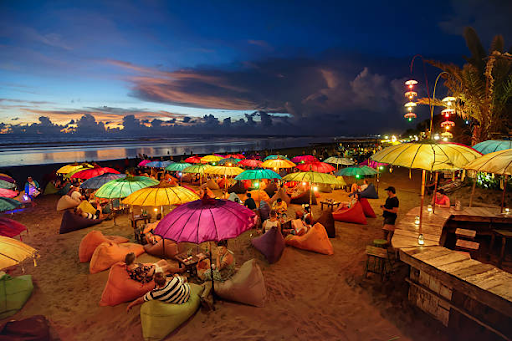
Sunrise: Sanur or Amed. Sunset: Seminyak, Canggu, Jimbaran, or Uluwatu.
Leave space in your itinerary. Bali has a way of handing you better plans than the ones you made. Leave room to take them.
Your Questions, Answered Honestly
It's enough for a proper reset if you keep it simple — one area, no long drives, no attempt to tick off everything. Think of it as a short exhale, not a sightseeing mission.
Five days is a solid first taste. Split between one beach area and one inland or island base, and you'll leave happy. Just don't try to see everything — Bali will still be here next time, and now you'll know where you actually want to go.
Seven days is the sweet spot for most people. You get two areas, a few proper activities, and enough downtime to actually feel like you've been somewhere. Anything less and you'll spend the flight home already planning your return.
A week works well. It gives everyone time to settle in, enjoy the beach, explore without rushing, and recover from travel days without having to pack up and move every night.
For trips under five days: one place, no negotiation. For a week: two bases. For ten days or more: you can add a third, but only if you're genuinely organised and emotionally prepared for packing.
Sanur, Seminyak, Ubud, Jimbaran, and Nusa Dua are all good starting points. The right answer depends on what you're actually after — beach, food, culture, resort time, or family-friendly ease. There's no wrong choice; there are just wrong expectations.
Yes. You need a sarong. Bring one, buy more when you're here, you'll use it, and thank yourself later. Sarongs have a great many uses, and they make excellent napkins when you get home.
Don't try to cram too much into each day. Don't underestimate traffic. Don't visit temples without dressing respectfully — it matters. Don't skip the local warungs in favour of only tourist restaurants. And don't schedule a big sightseeing day after a big night out unless you enjoy suffering in humidity. Bali is very good at delivering consequences.
May, June, July, and September are the sweet spot — good weather, better value than the absolute peak. August is busy but generally reliable weather-wise. Christmas and New Year are popular despite falling in the wet season, and you'll pay for that popularity.
Bali can be genuinely affordable or startlingly expensive, depending entirely on how you travel. Local food, simple accommodation, and a slower pace keep costs very manageable. Beach clubs, private drivers, luxury villas, and daily cocktails named after emotions will do the opposite.
Final Word: Don't Try to Win Bali
The best Bali holidays are not the ones where you tick off the most places.
They are the ones where you choose well, slow down, and leave enough room for the island to do what it does best.
Three days can revive you. Five days gives you a proper taste. Seven days lets you settle in. Ten days or more might have you browsing property listings and claiming you’re “just looking.”
Pack the swimsuit. Pack the sarong. Make a plan, then leave some of it blank.
That’s where Bali usually gets good.
Sarah Dougherty has lived in Bali for over 30 years and is the publisher of Bali Food & Travel.